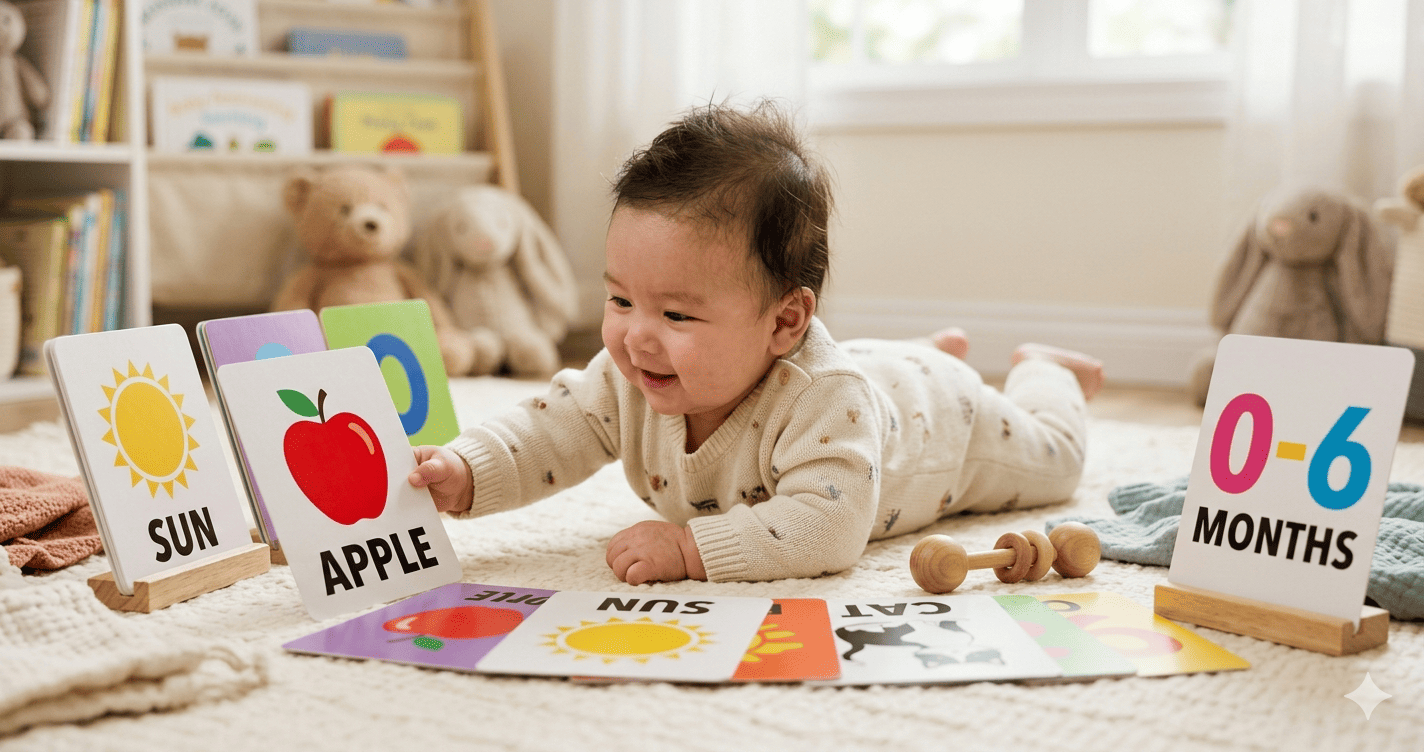
Baby Flash Cards for 0-6 Months
Baby Flash Cards for 0-6 Months, The first six months of a baby’s life are full of quiet discoveries. During this time, your baby is learning to see, hear, and slowly make sense of the world. While they may not speak or crawl yet, their brain is developing faster than at any other stage of life. This is where baby flash cards can play a simple but powerful role.
Flash cards are not about forcing learning or pushing your baby too early. Instead, they are a gentle way to stimulate your baby’s senses, help them focus, and build early recognition skills. When used the right way, they can turn everyday bonding moments into meaningful learning experiences.
This guide will walk you through how to use baby flash cards for babies aged 0 to 6 months in a natural, relaxed, and enjoyable way.
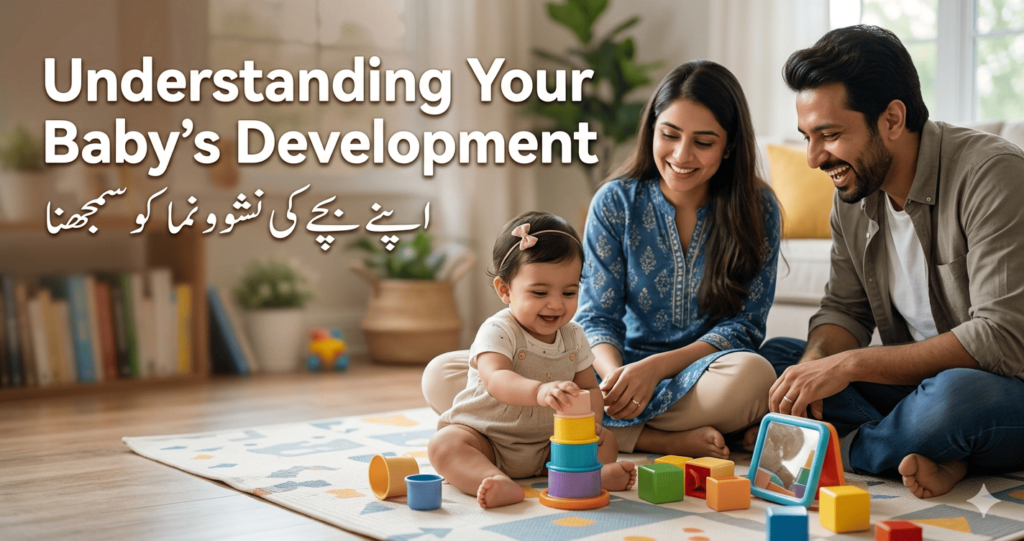
Understanding Your Baby’s Development (0–6 Months)
Before using flash cards, it’s important to understand what your baby can actually see and process.
Also Read: What Are the Best Baby Toys for Different Ages in Islamabad
0–2 Months
At this stage, your baby’s vision is still developing. They can only see objects clearly at a short distance (about 8–12 inches). High-contrast images, Baby Flash Cards for 0-6 Months, especially black and white patterns, work best.
2–4 Months
Your baby starts to notice shapes and may begin to track moving objects. They also start recognizing familiar faces and objects.
4–6 Months
Baby Flash Cards for 0-6 Months, Now your baby becomes more alert and curious. They begin to respond to colors, facial expressions, and simple visuals. This is the stage where flash cards become more engaging.
Understanding these stages helps you use flash cards in a way that matches your baby’s ability—not overwhelm them.
Also Read: What Are the Benefits of Magnetic Blocks for Kids Sahiwal
What Are Baby Flash Cards?
Baby Flash Cards for 0-6 Months are simple cards with pictures, patterns, or words designed to stimulate a baby’s visual and cognitive development. For younger babies, these cards usually have:
- Bold black and white patterns
- Simple shapes
- High-contrast images
- Bright primary colors (for older babies in this range)
Baby Flash Cards for 0-6 Months may also include everyday objects, animals, or faces.
Benefits of Using Flash Cards for Babies
Using flash cards regularly can support your baby’s development in many gentle ways.
1. Improves Visual Development
High-contrast cards help babies focus and strengthen their eyesight.
2. Boosts Brain Stimulation
Even simple visuals activate brain activity and help form early connections.
3. Builds Attention Span
Short sessions with flash cards help babies practice focusing.
4. Encourages Parent-Baby Bonding
Sitting close, talking softly, and showing cards builds emotional connection.
5. Introduces Early Recognition
Over time, babies begin to recognize patterns and familiar images.
When to Start Using Flash Cards
Baby Flash Cards for 0-6 Months, You can start using flash cards as early as the first few weeks after birth. However, keep expectations realistic.
At this stage, your baby is not “learning words” or “memorizing.” They are simply observing, processing, and exploring.
Also Read: How to Create a Busy Board for Kids at Home Sheikhupura
How to Choose the Right Flash Cards
Choosing the right type of flash cards makes a big difference.
For 0–3 Months
- Black and white cards
- Simple patterns (stripes, dots, shapes)
- Clear and bold designs
For 3–6 Months
- Add bright colors (red, yellow, blue)
- Simple images like animals or objects
- Larger cards that are easy to see
Avoid cards that are too busy or crowded with details.
How to Use Baby Flash Cards (Step-by-Step)
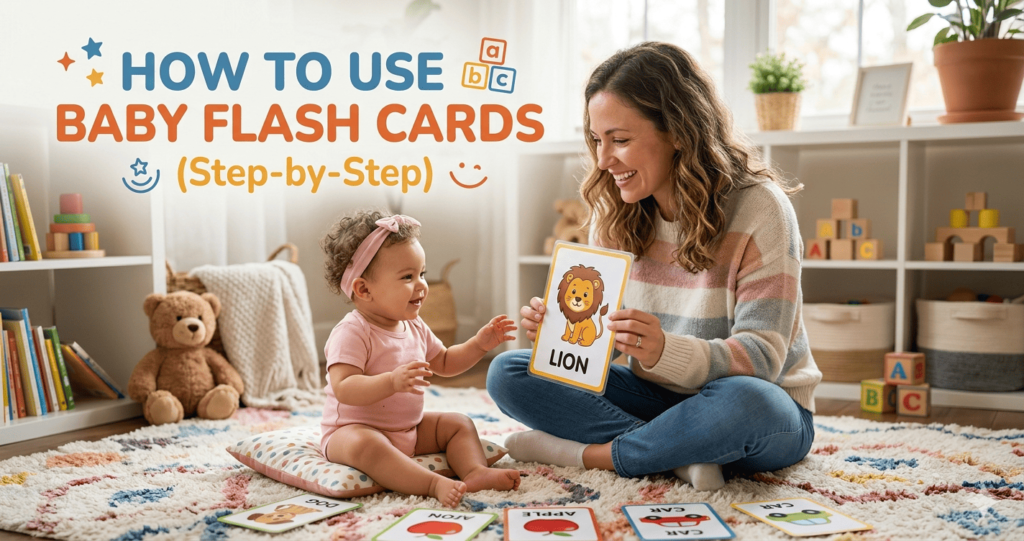
1. Pick the Right Time
Choose a time when your baby is:
- Awake
- Calm
- Not hungry or sleepy
Good moments include after feeding or during playtime.
Also Read: What Are the Best Toys for 3 Year Old Boys Sialkot
2. Keep the Distance Right
Baby Flash Cards for 0-6 Months, Hold the card about 8–12 inches from your baby’s face. This is the distance where they can see clearly.
3. Show One Card at a Time
Do not rush or show too many cards at once. Start with one card and let your baby look at it.
4. Move Slowly
Gently move the card side to side. This helps your baby track movement and improves focus.
5. Talk Softly
Even though your baby doesn’t understand words yet, your voice matters.
Say simple things like:
- “Look at this.”
- “This is a circle.”
- “Can you see the pattern?”
Your tone and expression are more important than the words.
Also Read: What Are the Best Toys for a 2-Year-Old Boy Multan
6. Keep Sessions Short
Babies have very short attention spans.
- 1–2 minutes for newborns
- 3–5 minutes for older babies
Stop as soon as your baby looks away or gets fussy.
7. Repeat Regularly
Consistency is more important than duration. A few short sessions daily are enough.
Also Read: What Are the Benefits of Cloth Books for Babies Pakpattan
Creative Ways to Use Flash Cards
1. During Tummy Time
Baby Flash Cards for 0-6 Months in front of your baby during tummy time. This encourages them to lift their head and look forward.
2. Crib or Play Area Display
You can place a few cards near your baby’s crib or play mat so they can observe them naturally.
3. Make It a Routine
Use flash cards at the same time every day. Babies enjoy routines and feel more comfortable with them.
4. Combine With Facial Expressions
Show the card and then make a matching expression. For example, smile when showing a happy face card.
5. Let Baby Respond
Watch your baby’s reactions. Smiles, eye movement, or kicking legs are all signs of engagement.
Common Mistakes to Avoid
1. Overdoing It
Too many cards or long sessions can overwhelm your baby. Keep it simple.
2. Expecting Quick Results
Flash cards are not about instant learning. Development takes time.
3. Using Complex Images Too Early
Stick to simple, high-contrast visuals in the early months.
4. Ignoring Baby’s Mood
If your baby is tired or fussy, skip the session. Forcing it can create discomfort.
Also Read: How to Choose the Best Toys for Your 1-Year-Old in Lahore
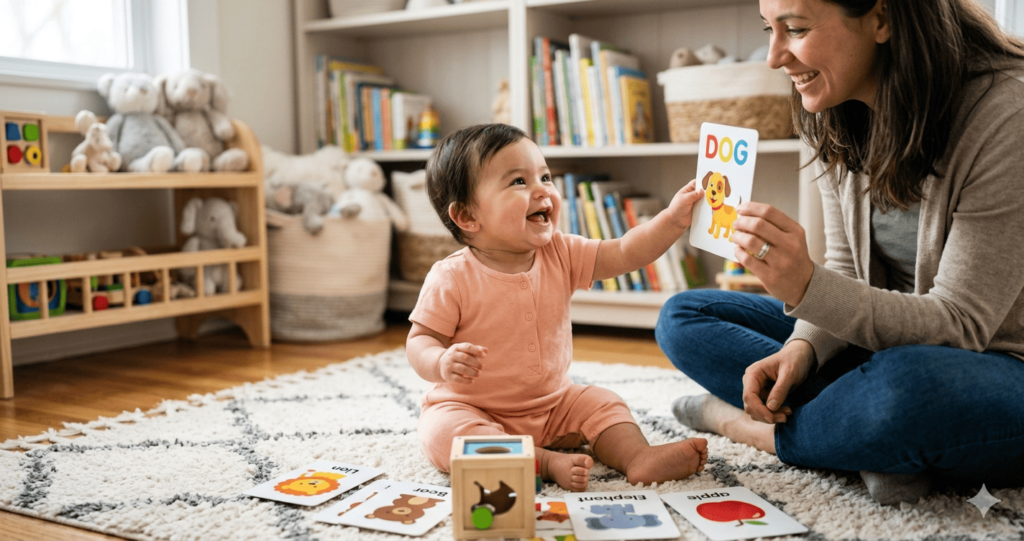
Signs Your Baby Is Enjoying Flash Cards
You may notice:
- Focused eyes
- Following the card with their gaze
- Smiling or cooing
- Calm and relaxed behavior
If your baby turns away or cries, it’s time to stop.
DIY Baby Flash Cards
You don’t always need to buy flash cards. You can easily make them at home.
What You Need:
- Thick paper or cardboard
- Black marker
- Simple designs (circles, lines, faces)
Tips:
- Keep designs bold and clear
- Avoid too many details
- Use safe, non-toxic materials
Making your own cards can also add a personal touch.
How Often Should You Use Flash Cards?
There is no strict rule, but a good routine could be:
- 2–3 times a day
- Short sessions (1–5 minutes)
- Adjust based on your baby’s mood
Quality matters more than quantity.
Flash Cards vs Other Toys
Flash cards are just one tool. They should not replace:
- Talking to your baby
- Singing
- Holding and cuddling
- Free play
A balanced approach works best.
Safety Tips
- Always supervise your baby
- Use cards with smooth edges
- Avoid small parts
- Keep cards clean
Safety should always come first.
Final Thoughts
Using baby flash cards for 0–6 months is not about creating a “genius baby” or pushing early learning. It’s about creating small, meaningful moments of connection while gently supporting your baby’s natural development.
At this age, your baby learns most from your voice, your face, and your presence. Flash cards simply add a visual layer to that experience. Baby Flash Cards for 0-6 Months When used calmly and consistently, they can help your baby explore the world in a safe and engaging way.
Keep it simple, stay patient, and enjoy the process. Your baby doesn’t need perfection—they just need your time and attention.
FAQ
When can I start using flash cards for my baby?
You can start using flash cards from the first few weeks after birth. Keep sessions short and gentle, using simple black-and-white images that are easy for your baby to see and focus on.
How long should each flash card session be?
Each session should be short—around 1 to 5 minutes. Stop sooner if your baby looks away or gets fussy. Short, calm sessions work best for their attention and comfort
What type of flash cards are best for newborns?
Black-and-white, high-contrast flash cards are best for newborns. Simple patterns like stripes, dots, or shapes are easiest for them to see and help improve early visual focus.
How often should I use flash cards daily?
Use flash cards 2–3 times a day in short sessions. Keep it gentle and follow your baby’s mood—stop if they seem tired or lose interest.
Can flash cards make my baby smarter?
Flash cards can support early learning and focus, but they don’t make a baby “smarter” on their own. Loving interaction, talking, and play are what truly help your baby grow and develop.

“Hi, I’m Turab Sheikh, the founder of Kids Play Learn. With 2+ years of experience in creating safe and educational toys, I’m passionate about helping children learn, play, and grow in a fun way every day, and I focus on providing toys that inspire creativity, curiosity, and joyful learning.”