care-for-and-maintain-wooden-toys-Jhang
How to Care for and Maintain Wooden Toys Jhang, Wooden toys have a kind of magic to them. There’s something deeply satisfying about handing a child a toy made from real wood — something that has weight, warmth, and a certain honesty to it. Unlike their plastic counterparts, wooden toys don’t crack apart in six months or end up in a landfill after one rough afternoon. Done right, they last for generations. But that longevity doesn’t happen on its own. Wooden toys, including the beautifully handcrafted Jhank variety, need proper care and attention to stay in great condition. If you’ve invested in a set of wooden Jhank toys or received them as a gift, this guide is for you.
Write a Short Answer About: What Makes Jhank Wooden Toys Special?
Care for and Maintain Wooden Toys Jhang
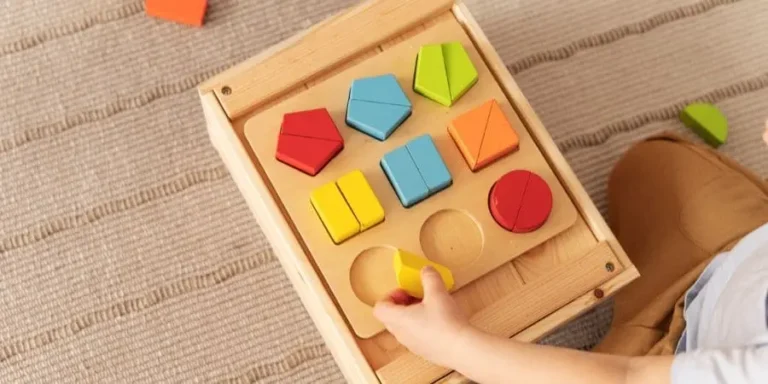
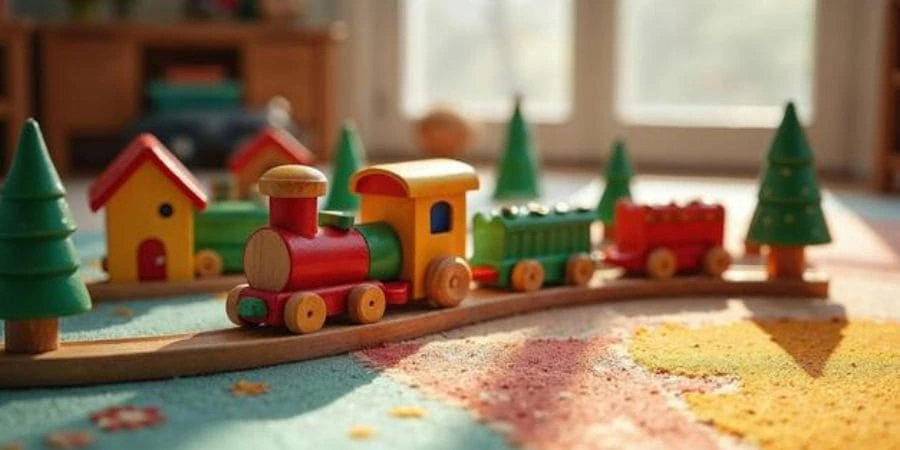
Wooden Toys stand out because they focus on simple, meaningful play instead of flashy distractions. Each toy is thoughtfully designed to help children learn through hands-on experience. The smooth wooden finish, strong build, and natural colors give a warm and classic feel that parents appreciate. These toys are not only fun but also support early development by improving motor skills, hand-eye coordination, and problem-solving abilities.
One special thing about Jhank wooden toys is their durability. Unlike many plastic toys that break easily, wooden toys last longer and can even be passed down to younger siblings. They are made with child-safe materials, so parents feel confident while their kids explore and play.
Also Read: toys for 2 year old boy
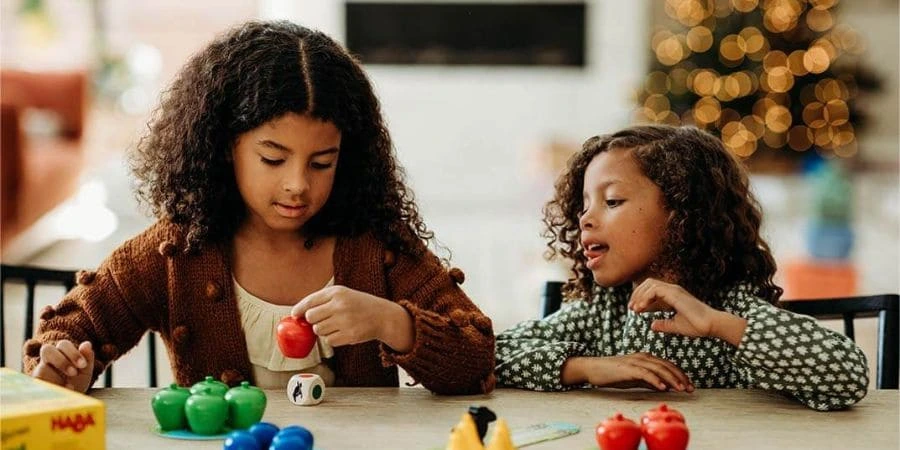
Another reason they are loved is their educational value. From puzzles to stacking blocks, each item encourages creativity and imagination. Children are not just pressing buttons; they are building, arranging, and discovering on their own.
Jhank Wooden Toys combine quality, safety, and learning in a natural way. They bring back the charm of traditional play while helping children grow with confidence and curiosity.
What Makes Jhank Wooden Toys Special
Before diving into the care routine, it helps to understand what you’re working with. Jhank wooden toys are crafted with attention to detail, using natural materials and finishes. Care for and Maintain Wooden Toys Jhang, They’re often made from solid hardwoods or sustainable timber, finished with non-toxic paints, beeswax, or natural oils. This is exactly what makes them wonderful — and exactly what makes them different from most modern toys when it comes to maintenance.
baby toys, Wood is a natural, living material in a sense. It breathes. It reacts to moisture and temperature. It absorbs oils and stains. A piece of wood that’s kept in a dry, hot room behaves differently from one left in a damp basement. That’s not a weakness — it’s just the nature of the material. When you understand this, caring for your Jhank wooden toys becomes intuitive rather than complicated.
Starting Right: Initial Conditioning Before First Use
When you first bring home a set of Jhank wooden toys, resist the urge to hand them straight to your child without a quick check. Take a few minutes to inspect the toys. Run your fingers along the edges and surfaces. If anything feels rough or splintery, use fine-grit sandpaper (220 grit works well) to gently smooth it out. Wipe away the dust with a dry cloth afterward.
Next, consider giving the toys an initial conditioning treatment. Even if the toys come pre-finished, an extra layer of natural oil or beeswax can help seal the wood and give it a longer life. Care for and Maintain Wooden Toys Jhang, Use food-grade mineral oil, coconut oil, or a commercially available beeswax finish. Apply a thin coat with a clean cloth, let it soak in for an hour or two, and then wipe off any excess. This simple first step can add years to the life of your toys.
Don’t use cooking oils like olive oil or sunflower oil for this purpose — they go rancid over time and can leave your toys smelling unpleasant and attracting bacteria. Stick to mineral oil or purpose-made wood conditioners.
Daily and Weekly Cleaning: Keep It Simple
One of the most common mistakes parents make with wooden toys is over-cleaning them. Wooden toys don’t need soap and water after every single use. In fact, excessive moisture is one of the biggest enemies of wood. It can cause the wood to swell, crack, warp, or delaminate if the toy has layered sections.
For everyday cleaning, a dry or slightly damp cloth is usually all you need. If your child has been using the toys in a normal play session — no food involved, no major mess — just wipe them down with a dry cloth to remove dust or fingerprints and set them aside to air out.
For a slightly deeper clean, dampen a cloth with plain water and wipe the surface down. Immediately follow with a dry cloth to absorb any remaining moisture. Never soak wooden toys in water. chess board price in pakistan, Never run them under the tap. Never put them in a dishwasher. Water is the enemy here, and too much of it will ruin your toys faster than any amount of normal play could.
If the toys come into contact with food or sticky substances, use a cloth barely moistened with a diluted mixture of white vinegar and water (roughly 1 part vinegar to 4 parts water). This mild natural solution can cut through most food residues without damaging the wood. Wipe dry immediately afterward.
Monthly Conditioning: Feeding the Wood
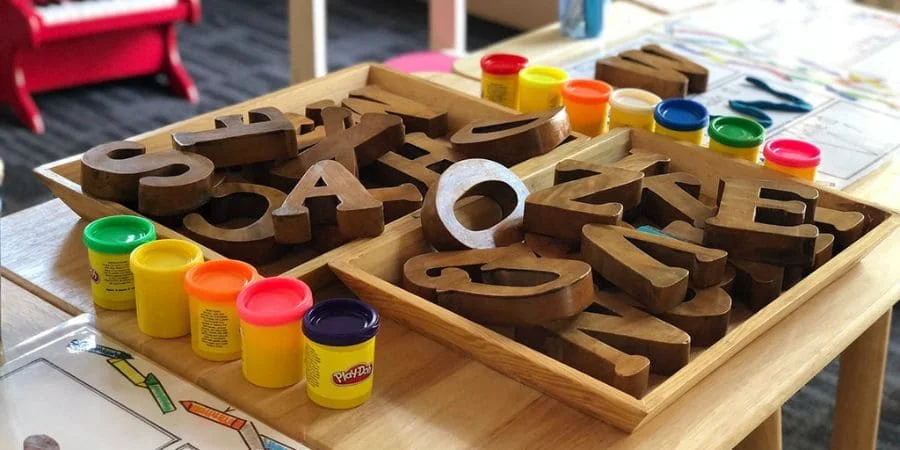
Think of conditioning your wooden Jhank toys the way you’d think about moisturizing skin. Without it, the wood dries out, becomes brittle, and starts to crack. A monthly conditioning routine keeps the wood supple and extends its life significantly.
To condition your toys, start by cleaning them as described above and letting them dry completely. Then apply a thin coat of food-grade mineral oil or beeswax polish using a soft cloth. Work the oil into the wood in circular motions, making sure to cover all surfaces including the undersides and any carved areas. Let it sit for about thirty minutes to an hour so the wood can absorb it. Then buff off any remaining oil with a clean, dry cloth until the surface feels smooth and slightly shiny, not greasy.1 year baby toys
This process feeds the wood, brings out its natural grain and color, and creates a barrier against moisture and staining. If your toys see heavy use — lots of outdoor play or rough handling — you might want to do this every two to three weeks instead of monthly.
One thing to keep in mind: different wood species absorb oil differently. Some woods are naturally oilier (like teak) and need less conditioning, while lighter woods tend to soak up oil more readily. Jhank toys, depending on the specific wood used, may vary in how quickly they absorb conditioning treatments. If a coat of oil disappears almost immediately after application, the wood is thirsty and may benefit from a second thin coat.
Dealing with Scratches and Surface Damage
Wooden toys get scratched. It’s inevitable, especially with young children. The good news is that minor scratches in wood are far easier to deal with than scratches in plastic or paint — and they often add character to the toy over time.
For light scratches, try rubbing the area with a walnut. Yes, a real walnut from the kitchen. The natural oils in the walnut meat can fill in and disguise fine scratches remarkably well. Rub the walnut over the scratch, then buff with a soft cloth. It sounds too simple to work, but it genuinely does.
For deeper scratches or gouges, a light sanding with fine-grit sandpaper followed by reconditioning with oil is usually the best approach. Sand with the grain of the wood, not against it, using gentle, even strokes. toys for kids, Wipe away the dust thoroughly, then apply your oil or beeswax conditioner as described in the previous section.
If the painted areas of your Jhank toys get chipped or scratched, it’s worth contacting the manufacturer or sourcing matching non-toxic paint. Especially if small children are still using the toys, you want any paint used for touch-ups to be safe and free of harmful chemicals. Allow any touch-up paint to cure fully before giving the toys back to children — usually at least 24 to 48 hours in a well-ventilated space.
Handling Mold and Mildew
If wooden toys are stored in a damp environment or left wet for too long, mold and mildew can develop. You might notice dark spots, a musty smell, or a white powdery residue forming on the surface. This needs to be addressed promptly, but don’t panic — it’s often treatable.
Start by taking the toys outside or to a well-ventilated area. Mix a solution of one part white vinegar to one part water and apply it to the affected areas with a cloth or soft brush. Let it sit for a few minutes, then wipe clean. Vinegar is a natural antifungal and will kill most surface mold without damaging the wood. Follow up by wiping dry and allowing the toys to air dry completely in a sunny spot — UV light is naturally antibacterial and will help finish the job.
Once completely dry, apply a conditioning oil to help restore the wood and prevent future moisture absorption. Going forward, make sure to store the toys somewhere dry and avoid letting them sit in damp conditions.
Prevention is always better than treatment here. Keep wooden toys away from bathrooms, basements with poor ventilation, and outdoor storage containers that can trap humidity.
Proper Storage: Where and How You Store Matters
magnetic blocks, Storage might not seem like a big deal, but it can make or break the longevity of your wooden Jhank toys. Wood doesn’t do well with extreme temperatures, fluctuating humidity, or prolonged exposure to direct sunlight.
Avoid storing wooden toys near radiators, heating vents, or air conditioning units. Rapid temperature changes and consistently dry air can cause wood to crack or warp. Similarly, don’t store them in damp areas like garages, sheds, or basements where moisture levels are high.
Ideal storage is in a cool, dry area with consistent temperature and moderate humidity. A wooden toy box, an open shelf in a child’s bedroom, or a linen basket are all good options. Avoid sealed plastic bins if possible — they can trap moisture inside.
If you’re storing wooden toys long-term, perhaps rotating seasonal sets or saving them for younger siblings, give them a final conditioning treatment before packing them away. Wrap them loosely in cotton or linen fabric (not plastic bags) to protect them from dust while still allowing the wood to breathe.
Teaching Children to Respect Their Toys
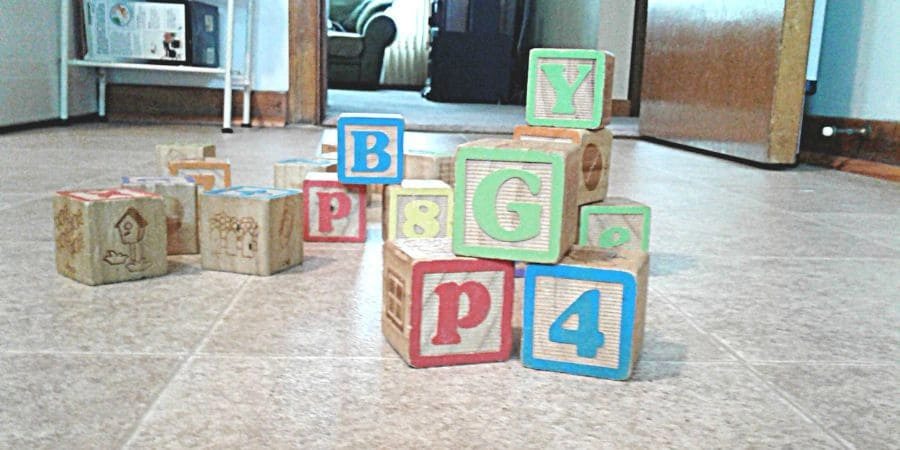
This might seem like an odd section in a care guide, but it’s genuinely important. The best maintenance routine in the world won’t save a wooden toy from being thrown repeatedly against a concrete floor. Part of caring for Jhank wooden toys is helping children understand why these toys are worth treating gently. magnetic tiles,
You don’t need to wrap the toys in cotton wool or make children anxious about playing with them — quite the opposite. Children who understand that their toys are made from real wood, that they were made by hand, that they’ll last a very long time if treated with a little respect, often develop a deeper attachment to them. They’re not disposable. They’re special.
Make the care routine part of a shared activity. Let your child help wipe down the toys at the end of the day. Show them how to rub oil into the wood and watch the grain come alive. These small rituals build a connection between child and toy that plastic can never replicate.
When to Retire a Toy
Even with the best care, some wooden toys eventually reach the end of their useful life. Knowing when to retire a toy is just as important as knowing how to care for it.
Retire a wooden toy if it develops deep cracks that can’t be sanded smooth and might trap bacteria. Retire it if the paint has chipped so badly that restoration isn’t feasible and small flakes might be swallowed by young children. Retire it if structural damage — broken pieces, loose joints that can’t be fixed — makes it unsafe to use.
But don’t just throw it away. Wooden toys that are past their playing days still have life in them. They can become decorative objects, be broken down and used in craft projects, composted (if untreated), or donated to creative reuse centers. The beauty of real wood is that it never truly becomes waste.
Quick Reference: Do’s and Don’ts
It can help to have a simple summary you can stick on the inside of a cupboard or toy box. Here’s a quick breakdown of the most important points.
Do wipe toys with a dry or barely damp cloth after use. Do condition with food-grade mineral oil or beeswax monthly. Do sand away minor scratches gently with fine-grit sandpaper. Do store in a dry, temperature-stable location. Do allow toys to air dry completely after any moisture exposure. Do inspect toys regularly for cracks, splinters, or peeling paint.
Don’t soak wooden toys in water or run them through a dishwasher. Don’t use harsh chemical cleaners or disinfectant sprays. Don’t store in damp basements, sealed plastic bins, or near heat sources. Don’t use cooking oils like olive oil for conditioning as they go rancid. Don’t allow toys to sit wet or damp for extended periods.
Final Thoughts
Caring for wooden Jhank toys isn’t complicated, but it does require a little intention and consistency. The reward is a set of toys that get better with age — richer in color, smoother to the touch, and full of the kind of character that only comes from being genuinely used and loved.
There’s something quietly powerful about a toy that survives long enough to be passed down. A set of Jhank wooden toys that a parent carefully conditions and maintains today might sit in a grandchild’s hands twenty years from now. That’s not sentimentality — that’s just what happens when you invest in quality and treat it with care.
So set aside ten minutes a month for your wooden toys. Keep them clean, keep them conditioned, store them sensibly, and let your children know why they’re worth looking after. You’ll be surprised how long they last — and how much more meaningful they become for it.
FAQs
How often should I oil wooden Jhank toys?
Oil them monthly with food-grade mineral oil or beeswax to keep the wood healthy and prevent cracking.
Can I wash wooden toys with water?
Use only a slightly damp cloth. Never soak or rinse wooden toys — excess moisture causes warping and cracking.
What removes scratches from wooden toys?
Rub a raw walnut over light scratches. For deeper ones, sand gently with 220-grit paper, then re-oil the surface.
How should I store wooden Jhank toys long-term?
Wrap in cotton fabric and store in a cool, dry place. Avoid plastic bins, damp basements, or spots near heat vents.
When is a wooden toy unsafe to use?
Retire it when deep cracks, loose broken parts, or badly chipped paint make it a potential hazard for young children.

“Hi, I’m Turab Sheikh, the founder of Kids Play Learn. With 2+ years of experience in creating safe and educational toys, I’m passionate about helping children learn, play, and grow in a fun way every day, and I focus on providing toys that inspire creativity, curiosity, and joyful learning.”