best-rattle-toy-for-your-baby
Rattle Toy, When you’re preparing for a new baby, one of the first toys you’ll likely come across is a rattle. It might seem simple enough – just pick one up at the store, and you’re done, right? But if you’re like most parents, you’ve probably noticed that there’s actually a surprising amount of variety when it comes to baby rattles. Walk down the toy aisle, and you’ll find plastic ones, wooden ones, fabric ones, ones with beads, ones with bells, and everything in between. Each one seems to promise something different, and it can feel overwhelming trying to figure out which one is actually best for your little one.
As a parent, you want to make smart choices for your baby’s development and safety. A rattle isn’t just a toy – it’s actually one of the first tools your baby will use to explore the world, develop their senses, build motor skills, and learn about cause and effect. That’s why taking the time to choose the right rattle really does matter. In this guide, we’re going to walk you through everything you need to know to find a rattle that will work perfectly for your baby at different stages of development.
Short Answer About Rattle Toy
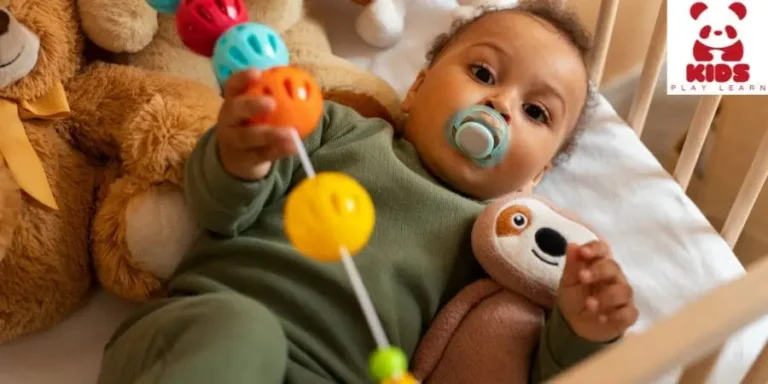
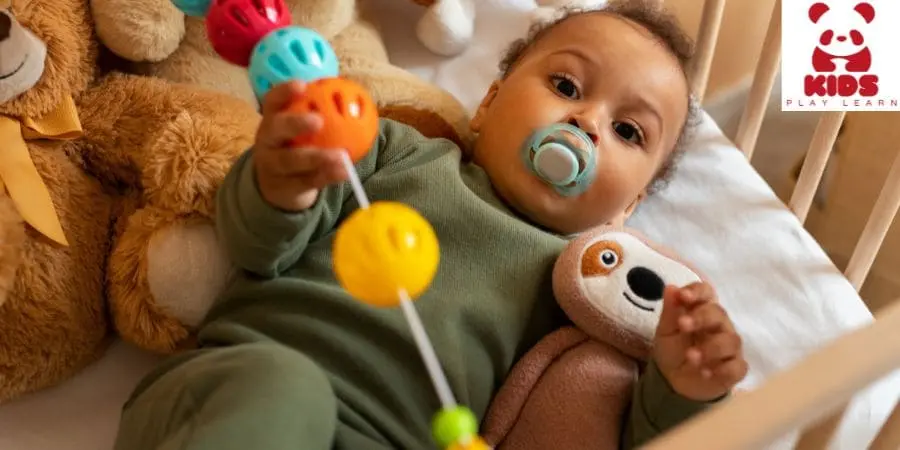
A rattle toy is one of the first and most engaging toys for babies, designed to entertain while supporting early development. These toys typically make sounds when shaken, helping babies understand cause and effect and improving their auditory senses. Rattles come in a variety of shapes, sizes, and colors, which not only attract the baby’s attention but also aid in visual stimulation and recognition of bright colors.
Best Rattle Toy for Your Baby, Holding and shaking a rattle strengthens a baby’s grip and fine motor skills, helping with hand-eye coordination. Many rattles are designed with soft, safe materials, making them gentle for teething and safe to put in the mouth. Rattle Toy, Some even have textured surfaces, adding a sensory experience for tiny fingers. Rattle Toy, Lightweight rattles are easy for babies to hold, encouraging independent play and exploration.
Beyond physical benefits, rattles also encourage social interaction. Parents and caregivers can use them during playtime to engage, teach, and bond with the baby. Overall, a rattle toy is not just a source of fun—it supports learning, sensory development, and early coordination. For every parent, choosing a safe and colorful rattle is a simple but effective way to provide both enjoyment and growth opportunities for their little one.
Also Read: What Are the Best Baby Toys for Different Ages in Islamabad
Understanding Why Rattles Matter for Baby Development
Before diving into the specifics of choosing a rattle, it’s worth understanding just why this simple toy is so important in those early months and years. Rattle Toy aren’t just there to keep your baby entertained, though that’s certainly a bonus. They play a genuine role in your baby’s developmental journey.
When your newborn hears the sound of a rattle, their brain is working hard to make connections. That sound is helping them understand that objects can make noises, and that they can cause those noises by moving something. This is a foundational concept in learning about cause and effect, which is critical for cognitive development.
Also Read: What Are the Benefits of Magnetic Blocks for Kids Sahiwal
Rattle Toy also encourage your baby to track objects with their eyes and eventually reach for them. This eye-hand coordination is essential for later development, from grabbing food to writing. When your baby manages to grasp a rattle and shake it, they’re also building strength in their small muscles – the tiny muscles in their hands, fingers, and arms that will eventually allow them to do more complex tasks.
Additionally, Rattle Toy provide sensory input. The sound, the texture, the weight, and sometimes even the visual elements of a rattle all contribute to how your baby experiences the world. Best Rattle Toy for Your Baby, This sensory exploration is absolutely crucial in those early months when everything is new and your baby’s brain is developing at an astounding rate.
Age-Appropriate Selection: Finding the Right Rattle for Each Stage
One of the most important factors in choosing a rattle is understanding what stage your baby is at developmentally. A Rattle Toy that’s perfect for a three-month-old might be completely wrong for a nine-month-old, and vice versa. Let’s break this down by age and developmental stage.
Newborns (0-3 Months)
In the earliest weeks and months, your newborn’s abilities are limited. They can’t hold things for long, they can barely track objects, and they’re mostly interested in eating and sleeping. For this stage, you want a rattle that’s very easy to grasp and that makes a sound when held without requiring much effort.
Look for lightweight options with simple, easy-to-grip handles. Your newborn won’t be shaking it with purpose yet – they’ll mostly be holding it because you’ve placed it in their hand or they’ve naturally grasped it. When they do move their hand, the rattle should respond with sound immediately, even with minimal movement. This helps them start to understand that their movements can create effects in the world around them.
During this stage, avoid anything too heavy or anything with small parts. Smaller Rattle Toy are generally better because your baby’s hand is tiny, and they need something they can actually get their fingers around. Also, softer materials are preferable – if your baby drops it on themselves (and they will), you want it to be as harmless as possible.
Babies (3-6 Months)
By three to four months, things change significantly. Your baby is now more interested in holding and shaking things. They’re developing better hand control and are starting to enjoy the act of making sounds themselves. This is when you can introduce rattles with a bit more complexity.
At this stage, your baby is also starting to put everything in their mouth, so materials become even more important to consider. You’ll want to make sure that whatever rattle you choose is completely safe for mouthing – no loose parts, nothing toxic, nothing that could be a choking hazard.
Also Read: How to Create a Busy Board for Kids at Home Sheikhupura
This is a good time to introduce rattles with different textures. Your baby might enjoy the smooth plastic of one rattle one day and the texture of a fabric-wrapped rattle the next. Having a variety gives them different sensory experiences. Rattle Toy, The sound should be noticeable but not startling – your goal is engagement, not fear.
Older Babies (6-12 Months)
Once your baby reaches six months and beyond, they’re developing real intent and control. They can now grasp things deliberately, often with a more refined grip that isn’t just the whole-hand clutch from earlier months. They’re also more interested in exploring cause and effect and might enjoy rattles with more complex sounds or multiple elements.
At this stage, your baby might enjoy a rattle that has several different sounds – maybe one that combines bells, beads in a chamber, and a crinkle element. Rattle Toy, They’re developing the ability to understand that different actions create different results, and a more complex rattle can support this learning.
This is also the stage where your baby might start to understand object permanence – the idea that things still exist even when they can’t see them. A Rattle Toy that rolls away and then can be found, or one that makes a sound even when partially hidden, can be interesting to an older baby.
Also Read: What Are the Best Toys for 3 Year Old Boys Sialkot
Safety Considerations: The Non-Negotiables
No matter what rattle you’re considering, safety has to come first. There are some absolute must-haves when it comes to rattle safety.
First and foremost, make sure the rattle has been tested and meets safety standards. In the United States, look for toys that meet CPSC (Consumer Product Safety Commission) standards. In other countries, check for equivalent safety certifications. These certifications mean that the toy has been tested for things like lead paint, small parts that could be choking hazards, and overall construction safety.
Inspect the rattle carefully before giving it to your baby. Look for any loose parts, cracks, or damage. If it has a handle, make sure the handle is securely attached and won’t come off. If it has bells or beads inside, shake it and listen – you should hear them moving freely, but they should be completely enclosed with no way for your baby to access them.
Check the size. Rattle Toy, as a general rule is that if something can fit through a toilet paper tube, it can fit in a baby’s mouth and could be a choking hazard. Most properly designed rattles are larger than this, but it’s worth checking if you’re ever uncertain.
Also Read: What Are the Best Toys for a 2-Year-Old Boy Multan
Materials matter tremendously. Avoid anything painted in bright colors if you can’t verify that the paint is lead-free and non-toxic. Wooden rattles are popular with many parents, but you want to make sure the wood is smooth, well-sanded, and finished with a non-toxic finish. Plastic rattles should be made from BPA-free materials. If a rattle is fabric-wrapped, make sure the fabric is securely attached and won’t come loose.
Finally, think about whether the rattle is safe for mouthing, because at some point, your baby will mouth it. It will go in their mouth. You can count on it. Make sure whatever rattle you choose can handle this reality.
Material Matters: Exploring Your Options
Rattle Toy, When it comes to the actual material of a rattle, you have several good options, each with their own benefits and considerations.
Plastic Rattles
Plastic rattles are the most common type you’ll find, and there’s a reason – they’re durable, easy to clean, and inexpensive. A good plastic rattle can withstand being dropped repeatedly, thrown, chewed on, and generally abused in the ways that babies abuse toys. They’re also straightforward to sanitize, which is important in those early months when you’re thinking about germs.
Also Read: What Are the Benefits of Cloth Books for Babies Pakpattan
The best plastic rattles are made from BPA-free plastic, and they should be from reputable manufacturers who test their products. Avoid very cheap plastic rattles from unknown manufacturers – the savings aren’t worth the potential risk. Good plastic rattles often have interesting textures molded into them, which provides sensory feedback for your baby.
The downside of plastic is that some people simply prefer more natural materials for their babies. Additionally, plastic can sometimes feel cold to the touch, which some babies don’t enjoy as much as warmer materials.
Wooden Rattles
Wooden rattles have a lovely, natural appeal that many parents love. There’s something nice about giving your baby a toy made from a natural material. Good wooden rattles are often beautiful and can become keepsakes that you might pass down or keep as mementos of your baby’s early days.
Wooden rattles are typically made from sustainably harvested wood and finished with non-toxic finishes. The wood is warm to the touch, which many babies seem to prefer, and wood naturally has some give to it that plastic doesn’t. The sound of a wooden rattle tends to be quieter and softer than a plastic one, which some parents appreciate if they’re tired of loud toys.
The main thing to watch for with wooden rattles is making sure they’re properly crafted. The wood should be smooth and well-sanded – splinters are not acceptable. The finish should be certified non-toxic, and any paint should be lead-free. Also, wooden rattles are more expensive than plastic options, and while they’re durable, they can eventually get rough if heavily mouthed and not properly cared for.
Also Read: How to Choose the Best Toys for Your 1-Year-Old in Lahore
Fabric and Soft Rattles
Fabric rattles are often the softest option and can be wonderful for babies who prefer something gentle. These are typically made from cotton or other natural fabrics and filled with materials that create sound – maybe beads or bells that are securely enclosed. Some fabric rattles also include crinkle material, which creates an interesting sound and texture.
These rattles are gentle if they’re dropped on your baby or on you, and they’re often washable, which is convenient. They also tend to be quite attractive, with interesting colors and patterns. Many parents like giving their babies fabric rattles because they feel more like traditional toys than some of the other options.
The concern with fabric rattles is durability. If your baby is a heavy chewer or mouthier than average, the fabric might eventually show wear. You also need to make sure that whatever is inside is absolutely secure and can’t come loose. Check seams regularly to make sure they’re holding up.
Silicone Rattles
Silicone is a newer material option for baby rattles, and it’s becoming increasingly popular. Silicone is soft, chewy, and very safe for mouthing. It’s temperature-responsive, so it can feel warm or cool depending on the environment. It’s also incredibly durable and can handle heavy mouthing without degrading.
High-quality silicone rattles are often used as teething toys and rattles simultaneously, which is convenient. They come in interesting colors and shapes, and they’re easy to clean. The sound is usually created by beads or chambers inside the silicone, and as long as the silicone is thick enough, there’s no way for your baby to access the internal parts.
The main consideration with silicone is cost – they’re generally more expensive than plastic options – and some parents worry about the sourcing of silicone, though medical-grade silicone is very safe.
Sound and Sensory Considerations
Different rattles make different sounds, and this matters more than you might think. The sound a rattle makes affects whether your baby will be interested in it, and also affects how stimulating it is.
Some rattles have a gentle, soft jingle sound created by small bells. Others have a loud rattle created by beads moving in a chamber. Some make a crinkle sound. Others have multiple sounds combined. Your baby might have preferences about which sounds they enjoy, and these preferences might change as they develop.
In general, for very young babies, a softer sound is better. A loud rattle might startle them, and you’re trying to build positive associations with the toy, not scare them. As babies get older and more confident, they might actually enjoy louder, more complex sounds.
Think about what sounds appeal to you, too. You’re going to hear these rattles a lot. If you’re giving your baby a toy that makes a sound so annoying that you’re gritting your teeth every time they play with it, you’re less likely to encourage them to use it. Choose sounds you can tolerate, at least somewhat.
Grip and Handle Design
The design of the handle or grip area is surprisingly important. For young babies, you want something they can easily grasp with their whole hand – typically a thicker handle or a wider section that fills their little palm. As babies get older and develop more refined grip, thinner handles become more appropriate.
Some rattles have textured handles, which can be easier for tiny hands to grip. Others are smooth. Some have multiple shapes within one rattle – maybe a thick handle section and then a wider, shape-changing section past that – which makes them interesting for babies at different stages.
Rattle designs that extend the play potential are nice. If a rattle has different sections that are shaped differently, your baby can explore those different shapes and textures as they hold and mouth the toy.
Developmental Progression: Building a Small Collection
Here’s the truth about baby toys: one rattle is probably not enough. Different rattles serve different purposes, and your baby will develop an interest in variety. Building a small collection of different rattles means your baby has options, and it also means you have options when one rattle gets lost or needs to be washed.
A good starter collection might include one simple plastic rattle with an easy grip for the newborn stage, one wooden rattle once your baby is old enough to appreciate the different texture and sound, one soft fabric rattle, and maybe one rattle designed for a slightly older baby with more complex sounds or shapes.
As you notice what your baby gravitates toward, you can add more rattles that match those preferences. Some babies are sound-lovers and want rattles that jingle and rattle loudly. Others prefer quiet, simple toys. Some babies are texture explorers and love having a variety of different materials to mouth and manipulate.
Brand Reputation and Reviews
While it’s not the only factor, considering brand reputation is worthwhile. Established companies that have been making baby toys for decades have learned a lot about what works and what doesn’t. They’re also more likely to have extensive testing protocols and quality control measures in place.
That said, smaller manufacturers and boutique toy makers often produce wonderful rattles, too. The key is looking at reviews from actual parents, not just marketing claims. Read multiple reviews and look for patterns. Are parents mentioning durability? Are they talking about their babies actually being interested in the rattle? Are there any safety concerns mentioned repeatedly? These real-world experiences from other parents can give you valuable insight.
Online parenting communities and forums can be great resources for honest feedback about toys. Ask other parents what rattles their babies loved and which ones they felt were wastes of money. You’ll often get detailed responses from people who have actually used the products.
Budget Considerations
Rattles range from very inexpensive to surprisingly costly. A basic plastic rattle from a drugstore might cost three or four dollars. A designer wooden rattle from a specialty brand might cost twenty-five dollars or more. What should you spend?
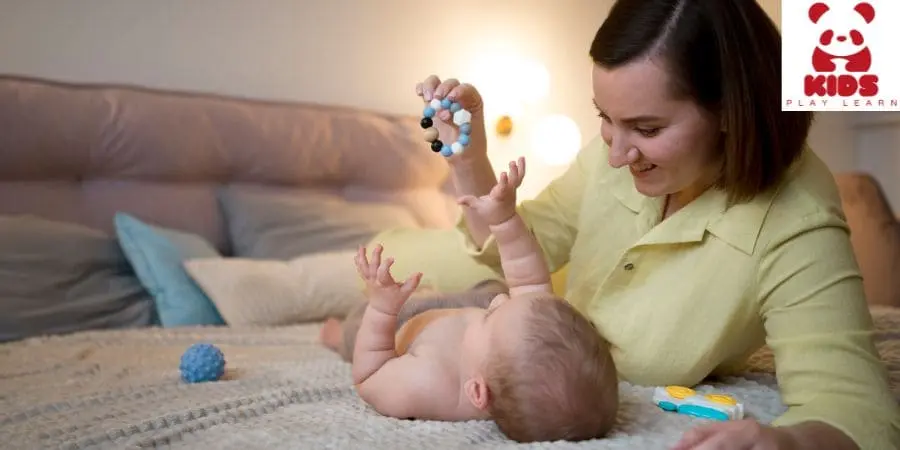
The honest answer is that you don’t need to spend a lot of money on a rattle. Even a basic rattle can support your baby’s development beautifully. At the same time, if you’re going to buy several rattles, investing in one or two higher-quality options that you really love might be worthwhile.
Think of it this way: a higher-quality rattle might actually last longer and be something you might save and pass down or use with another child. It might be something you genuinely enjoy picking up and giving to your baby because it feels nice in your hand and sounds pleasant. These factors have value. But they’re not necessary. Your baby will develop fine with a simple, inexpensive rattle.
One good strategy is to have a mix. Maybe you have one or two nice rattles that you really love and that you save for special moments, and then you have a couple of more basic options that you don’t mind throwing into a diaper bag and dragging around everywhere.
Making Your Final Decision
By now, you understand that choosing a rattle really does involve considering a number of different factors. It’s not just about grabbing the first thing you see. At the same time, it’s also not something to overthink. Here’s a simple framework for making your decision:
First, consider your baby’s current developmental stage. What age are they? What can they do? Choose a rattle that’s appropriate for that stage.
Second, think about safety. Does it meet safety standards? Are all parts secure? Is it safe for mouthing? If the answer to any of these is no, don’t buy it, no matter how cute it is.
Third, consider the sound. Is it a sound you think your baby will enjoy? Is it a sound you can tolerate hearing repeatedly?
Fourth, think about the material. Do you have preferences between plastic, wood, fabric, and silicone? These often come down to personal preference, and there’s not one right answer.
Finally, consider the price. Can you afford it? Does it seem like good value to you?
If a rattle passes all these tests, it’s probably a good choice for you and your baby.
Final Thoughts
Choosing a rattle for your baby might seem like a simple task, but as we’ve explored, there’s actually quite a bit to consider. The good news is that no single rattle is perfect for every baby. What matters is that you choose something safe, appropriate for your baby’s developmental stage, and something that you feel good about putting in your baby’s hands.
Remember that babies change and develop at a rapid pace. A rattle that’s perfect at three months might be boring by six months. That’s completely normal and part of their development. You might find that your baby has preferences that surprise you – maybe they love a rattle you thought looked boring, or they ignore one you thought was perfect. Babies are individuals, and part of the joy of early parenting is discovering their personalities and preferences.
Most importantly, remember that a rattle is just one of many tools that will support your baby’s development. The most important thing you can do for your baby is interact with them, talk to them, and respond to their cues. A rattle is a wonderful aid in that process, but it’s not a substitute for your attention and engagement.
Choosing a rattle toy is an opportunity to think intentionally about your baby’s development and safety. It’s a chance to select something you feel good about. And it’s one of the many small decisions you’ll make as a parent that, while seemingly small in isolation, adds up to create a safe, nurturing environment for your little one to grow and flourish.
As you venture into the world of baby toys, trust your instincts, do your research, and don’t be afraid to ask other parents for their recommendations. The perfect rattle for your baby is out there – you’ve got this.
FAQs
What age can babies safely use rattles?
Newborns from birth can use rattles designed for their age. Start with lightweight, easy-grip options for 0-3 months, then progress to more complex rattles as your baby develops motor skills.
Are wooden or plastic rattles better for babies?
Both are safe when quality-made. Plastic is durable and easy to clean; wooden offers natural warmth and softer sounds. Choose based on your preference—babies benefit from either when they meet safety standards.
How do I know if a rattle is safe for my baby?
Check for CPSC safety certification, secure parts with no loose pieces, smooth surfaces without splinters, non-toxic paint, and no small parts that fit through a toilet paper tube. Always inspect before use.
Should I buy multiple rattles or just one?
Multiple rattles are beneficial. Different textures, sounds, and designs keep babies engaged as they develop. A collection of 2-4 varied rattles supports exploration and prevents boredom during different growth stages.
Can my baby mouth a rattle safely?
Yes, babies will mouth rattles. Choose rattles specifically designed for safe mouthing—BPA-free plastic, non-toxic wood finishes, or medical-grade silicone. Avoid anything with loose parts or toxic coatings.

“Hi, I’m Turab Sheikh, the founder of Kids Play Learn. With 2+ years of experience in creating safe and educational toys, I’m passionate about helping children learn, play, and grow in a fun way every day, and I focus on providing toys that inspire creativity, curiosity, and joyful learning.”