benefits-of-cloth-books-for-babies-pakpattan
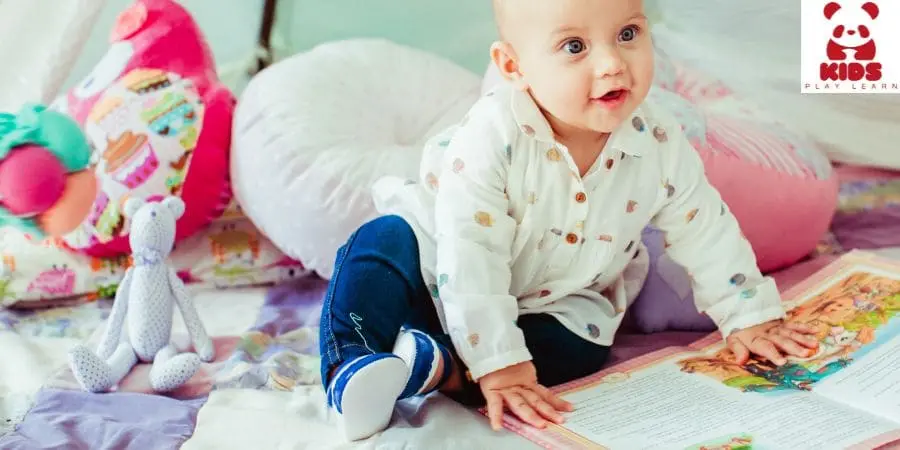
Benefits of Cloth Books for Babies Pakpattan, As a parent living in Pakpattan, you’ve probably walked past toy shops in the bazaar and noticed colorful cloth books displayed alongside wooden toys and traditional rattles. These soft, fabric-based books have become increasingly popular among families in our city, and for good reason. Unlike the conventional hardcover picture books your parents might have used, cloth books offer something unique and specially suited to the developmental needs of infants and toddlers.
The question many new mothers and fathers ask in Pakpattan is simple yet important: why choose cloth books when traditional books are so readily available? The answer lies in understanding how babies learn, develop, and interact with their surroundings during the crucial early years of life. This article explores the numerous benefits of cloth books specifically for babies in our community, drawing from both global parenting research and observations from local family experiences.
Short Answer About Cloth Books for Babies Pakpattan
Benefits of Cloth Books for Babies Pakpattan, Cloth books have become increasingly popular among Pakpattan families as parents discover their practical benefits for young children. These soft, fabric-based books offer a safer alternative to traditional hardcover books, especially for babies who love to explore everything by putting objects in their mouths.
The main advantage is durability. Unlike paper books that tear easily, cloth books withstand the rough handling typical of infants and toddlers. busy board for kids, They can be washed when soiled, making them hygienic and long-lasting. Parents appreciate being able to hand their babies these books without constant worry about damage or safety hazards.
Cloth books also support early development through sensory engagement. Different textures, squeaky sounds, and interactive elements like mirrors help babies learn about their world. When parents sit with their children and read these books together, it creates bonding moments while introducing vocabulary and language skills naturally.
In Pakpattan, both imported branded cloth books and locally-made versions are available in bazaar shops. Some talented local artisans create personalized cloth books featuring Urdu text, local animals, and cultural elements that make learning more relatable for children.
Understanding Cloth Books: What Are They
Before diving into the benefits, let’s clarify what we mean by cloth books. These are specially designed picture books made primarily from soft, puzzles for kids, washable fabric materials like cotton, fleece, or felt. Benefits of Cloth Books for Babies Pakpattan, Unlike cardboard or hardcover books, cloth books feature pages that can be crinkled, squeezed, and even chewed without causing damage. Many include additional sensory elements such as different textures, squeaky sounds, crinkly paper inserts, and sometimes mirror panels or ribbons for babies to explore.
In Pakpattan’s markets, you can find both imported branded cloth books and locally-made versions created by skilled artisans. Some talented women in our city have even started small cottage businesses making personalized cloth books, adding a wonderful touch of local craftsmanship to these developmental tools.
Benefit One: Safety for Exploring Babies
The first and most obvious advantage of cloth books is safety. Babies between six months and two years naturally explore everything by putting objects in their mouths. As a parent in Pakpattan, you understand the constant worry about what your child might swallow or choke on.
Cloth books eliminate several safety concerns associated with traditional books. There are no sharp corners to bump tiny heads, no hard edges to knock against delicate gums when babies are teething. Benefits of Cloth Books for Babies Pakpattan, The soft fabric won’t cause injury even if your baby throws it or hits themselves with it during play. There are no detachable parts like small picture cutouts or cardboard pieces that could become choking hazards.
This safety aspect is particularly relevant in Pakpattan households where extended families live together, and there might be multiple children at different developmental stages sharing the same space. A cloth book can safely make the rounds from an infant to a crawling baby to a toddler, without anyone needing to worry about injuries or accidents.
Benefit Two: Promoting Early Language Development
Many parents don’t realize that reading to babies from their earliest months actually promotes language development. Cloth books, with their bright colors and simple pictures, provide an excellent starting point for this crucial learning process.
When you sit with your baby and point to pictures in a cloth book, you’re doing far more than just entertaining them. toys for 5 year old boys, Benefits of Cloth Books for Babies Pakpattan, You’re introducing vocabulary in a natural, engaging way. The repetition of seeing certain pictures and hearing associated words helps babies begin to understand that objects have names. In Pakpattan, where many families speak Urdu at home, using cloth books becomes an opportunity to introduce both Urdu and English vocabulary to your little ones.
The interactive nature of cloth books encourages more engagement than simply looking at pictures. When your baby can feel different textures and hear sounds, they’re more likely to stay focused and interested. This sustained attention during reading time creates better neural pathways for language processing.
Benefit Three: Developing Sensory Skills
blocks for kids, Babies learn about the world through their senses, especially touch. Cloth books are specifically designed to provide multi-sensory experiences that support healthy sensory development. These books typically feature various textures that babies can feel and explore with their developing hands.
Benefits of Cloth Books for Babies Pakpattan, One page might have smooth silk fabric, another rough corduroy, a third soft chenille. Some sections include crinkly paper that produces interesting sounds when squeezed. Others might have squeakers hidden inside that squeak when pressed. Mirror panels allow babies to see their own faces reflected back, which is fascinating for them and supports the development of self-awareness.
This sensory richness is absent from traditional books. When your baby touches the smooth paper of a regular book, that’s their only tactile experience. With a cloth book, every page offers different sensations to discover. playdough for kids, Parents in Pakpattan have reported that their babies spend longer periods engaged with cloth books compared to regular books, and this engagement is directly related to the variety of sensory experiences available.
Benefit Four: Durability and Washability
Anyone who’s been around babies knows they’re not gentle with possessions. Spilled milk, drooled-on covers, dust from playing in courtyards—cloth books can withstand all of this. Benefits of Cloth Books for Babies Pakpattan, Most quality cloth books can be hand-washed or thrown into the washing machine without damage. The fabric won’t yellow or deteriorate like paper books do over time.
doctor set, This durability is economically practical for Pakpattan families. A single cloth book can serve multiple children in a family, can be gifted from one family to another, or can even be saved for your own grandchildren. The investment in a quality cloth book lasts for years, making it cost-effective compared to constantly replacing damaged regular books.
The washability aspect also means you don’t need to stress about hygiene. Your baby can chew on it, drop it in puddles at the park, or get it dirty while exploring, and you can simply clean it afterward. In Pakpattan’s climate, where dust is sometimes an issue, being able to easily wash items your baby touches is genuinely appreciated.
Benefit Five: Building Fine Motor Skills
Holding and manipulating cloth books contributes to the development of fine motor skills. When babies grab, squeeze, crinkle, and turn the pages of cloth books, they’re strengthening the small muscles in their hands and fingers. magnetic drawing board, These movements are precursors to the more complex motor control needed for later skills like writing and eating with utensils.
The various textures and elements encourage different types of hand movements. Grabbing a crinkly page requires different muscle engagement than smoothly turning a page. Pulling on ribbons or tags develops grip strength. Benefits of Cloth Books for Babies Pakpattan, These small physical challenges help babies build the neural connections and muscle memory necessary for increasingly sophisticated hand movements.
For babies in Pakpattan households where traditional play might involve wooden toys and cloth dolls, cloth books add another dimension to fine motor development through reading and exploration.
Benefit Six: Emotional Bonding and Quality Time
Benefits of Cloth Books for Babies Pakpattan, Reading with your child, even when they’re too young to understand the story, creates moments of bonding. When you sit with your baby, holding the cloth book together, making sounds for the animals pictured, pointing at colors and shapes, you’re creating positive associations with learning and with your own presence.
This quiet time together is increasingly rare in our busy world. Parents in Pakpattan, juggling work, household responsibilities, and extended family obligations, often find that cloth book time becomes a dedicated, distraction-free moment with their babies. Unlike watching screens or playing with toys, reading together requires your presence and attention.
These moments of connection contribute to the development of secure attachment between parent and child. Babies who receive focused, loving attention during these early interactive activities develop confidence and trust. The cloth book becomes not just a learning tool but a vehicle for emotional connection.
Benefit Seven: Supporting Cognitive Development
As babies grow into toddlers, cloth books support increasingly complex cognitive development. While infants might only recognize bright colors and simple shapes, toddlers begin to understand cause and effect. When they squeeze a squeaker and hear a sound, they’re beginning to understand that their actions have consequences.
Stories, even simple ones in cloth books, help toddlers develop the ability to follow sequences. Which animal comes next? What happens on the next page? These questions promote thinking and anticipation. Benefits of Cloth Books for Babies Pakpattan, Children begin to develop memory as they recognize familiar pictures and remember the associated sounds or words.
Cloth books with different textures also support concept development. You can teach “rough and smooth,” “soft and hard,” “crinkly and quiet.” These paired concepts are building blocks for later cognitive development and language sophistication.
Benefit Eight: Encouraging Independent Exploration
As babies develop into toddlers and gain more independence, they often want to explore things on their own. Cloth books are perfect for unsupervised exploration because they’re safe for independent play. A toddler can grab a cloth book, sit in a corner, and explore it without needing constant supervision for safety reasons.
Benefits of Cloth Books for Babies Pakpattan, This independent exploration is important for developing confidence and curiosity. It allows toddlers to make their own discoveries about how things work. A child might notice the mirror in the cloth book and spend several minutes examining their own reflection without parental guidance. They might systematically feel each texture and recognize which ones they enjoy most.
In Pakpattan households with working parents or busy mothers caring for multiple children, cloth books provide that valuable independence while still providing developmental benefits.
Benefit Nine: Cultural and Personal Customization
One wonderful aspect of cloth books is that they can be personalized and culturally customized. Some local artisans in Pakpattan create cloth books featuring animals from our region, foods from our cuisine, or even incorporating Urdu writing and Islamic elements.
This personalization creates a stronger connection to the book and makes learning more relatable. A cloth book showing local fruits and vegetables helps toddlers learn vocabulary related to their actual environment. Benefits of Cloth Books for Babies Pakpattan, Books featuring animals they might see—donkeys in carts, pigeons in the garden—are more meaningful than books featuring polar bears or other unfamiliar animals.
Some families in Pakpattan commission custom cloth books with their child’s name embroidered on them. This personal touch makes the book special and contributes to the child’s sense of identity and importance.
Benefit Ten: Flexibility in Learning Environment
Traditional books require relatively clean, controlled environments. You worry about sticky fingers, wet hands, or dirt damaging them. Cloth books can go anywhere. You can take them to the park, to visit relatives, to the bazaar, on trips outside the city.
Benefits of Cloth Books for Babies Pakpattan, This flexibility means learning and reading can happen in varied environments, which actually supports better learning. Change of scenery keeps children interested and engaged. The same cloth book at home might hold their attention for five minutes, but the same book at grandmother’s house might engage them for fifteen minutes simply because the environment is different.
Parents in Pakpattan appreciate this practicality, especially those without dedicated nurseries or reading spaces. A cloth book can be read in the courtyard, during a family visit, or while waiting for an appointment—all places where traditional books would be at risk.
Benefit Eleven: Supporting Inclusive Play
Cloth books are wonderful for babies and toddlers with different developmental needs. For children with sensory sensitivities, cloth books can be specifically chosen based on textures and sounds that work for them. Benefits of Cloth Books for Babies Pakpattan, For children with motor development delays, the soft, easy-to-manipulate pages are less frustrating than struggling with regular book pages.
For visually impaired children, the tactile and auditory elements of cloth books become even more valuable. They can explore and learn through touch and sound in ways that traditional books don’t support.
In an inclusive approach to parenting, cloth books offer opportunities for children at different developmental stages to engage with the same material in ways that work for them individually.
Benefit Twelve: Alleviating Parental Anxiety
Let’s be honest—one significant benefit of cloth books is the peace of mind they provide to parents. You can hand your baby a cloth book and know that they’re safe to explore it however they want. There’s no anxiety about them damaging something expensive or, more importantly, harming themselves.
This reduction in parental stress actually creates a better learning environment. When you’re not tense and worried, you’re more patient and engaged with your child. Benefits of Cloth Books for Babies Pakpattan, You can truly enjoy the shared reading time rather than constantly saying “careful,” “don’t tear that,” or “put that down.”
In Pakpattan culture, where many extended family members might comment on parenting choices, having toys and books that are genuinely safe and appropriate helps parents feel confident in their choices.
Practical Tips for Using Cloth Books in Pakpattan
When selecting cloth books for your baby in Pakpattan, choose ones with high contrast colors that stimulate visual development. Books with bold reds, blues, and yellows against white backgrounds are particularly good for young infants. As babies grow, you can introduce books with more complex color combinations.

Select books with varied textures—aim for at least three or four different types of fabric in a single book. This variety keeps babies engaged longer and provides better sensory stimulation.
Look for age-appropriate books. For newborns to three months, simple high-contrast books work best. From four to six months, Benefits of Cloth Books for Babies Pakpattan, introduce books with varied textures and squeaky sounds. From six months onward, books with more interactive elements like mirrors and pull-tabs become interesting.
Keep a collection rather than just one or two books. Babies, like all of us, enjoy variety. Having three to five different cloth books allows you to rotate them and keep the experience fresh. This prevents boredom and provides exposure to different concepts and skills.
Integrate cloth books into your daily routine. Keep one in the nursery, one in the sitting area, one in your bag. The more accessible they are, the more naturally they become part of family life and learning.
Local Context: Cloth Books in Pakpattan Families
Families in Pakpattan are increasingly recognizing the value of cloth books, particularly as awareness about child development grows. Traditional Pakpattan parenting often emphasized play and exploration, and cloth books align perfectly with these values while adding structured learning elements.
Local markets in Pakpattan now stock more cloth book options than they did just five years ago. This increased availability, combined with growing understanding of their benefits, means more children in our city have access to these valuable learning tools.
Some forward-thinking teachers in Pakpattan schools have even incorporated cloth books into pre-school curricula, recognizing their value for language development and sensory learning in group settings.
Final Thoughts
Cloth books represent a thoughtful, evidence-based approach to early childhood development that combines safety, learning, and practicality. For families in Pakpattan, they offer an accessible way to support your baby’s development while reducing parental stress and anxiety about safety.
The benefits extend far beyond simple entertainment. Cloth books contribute to language development, sensory awareness, motor skill development, and emotional bonding. They’re durable enough to serve multiple children in a family, affordable enough for most family budgets, and adaptable enough to suit various developmental needs.
Whether you’re a first-time parent navigating the overwhelming world of baby products or an experienced parent seeking to enhance your child’s early learning experiences, cloth books deserve a place in your home. They’re not a luxury item or a trendy fad—they’re a practical, beneficial tool that supports optimal early childhood development.
In Pakpattan, where community values strong family bonds and invested parenting, cloth books offer a beautiful intersection of traditional values and modern developmental science. They enable you to spend quality time with your child in a way that supports their growth and your peace of mind.
Start with one or two cloth books. Introduce them during a quiet moment with your baby. Notice how your child engages with them, which textures they prefer, which sounds make them laugh. Over time, you’ll build a small collection that becomes part of your family’s daily routine and a cherished part of your child’s early years.
The investment you make in quality cloth books today contributes to your child’s development tomorrow, supporting skills and connections that will benefit them throughout their lives. In the context of Pakpattan family life, with its emphasis on closeness, learning, and practical wisdom, cloth books are a perfect fit.
FAQs
At what age can I introduce cloth books?
You can start from birth. Newborns enjoy high-contrast colors. Add textures at 4-6 months and interactive elements like mirrors from 6 months onward.
How do I clean cloth books?
Hand-wash or machine-wash on gentle cycle with mild soap. Air dry completely. Avoid bleach. Check manufacturer instructions if books have squeakers inside before washing them.
Are cloth books expensive?
No, they’re cost-effective long-term. One cloth book lasts years, survives rough handling, and can pass to siblings. Local Pakpattan artisans offer affordable options too.
Can cloth books replace traditional books?
Use both together. Cloth books suit younger babies; traditional books work better as children grow. This creates a natural reading progression for your child.
Where to buy in Pakpattan?
Check local toy shops in bazaars, online platforms, or commission custom books from local artisans. Supporting local makers helps your community while getting quality products.

“Hi, I’m Turab Sheikh, the founder of Kids Play Learn. With 2+ years of experience in creating safe and educational toys, I’m passionate about helping children learn, play, and grow in a fun way every day, and I focus on providing toys that inspire creativity, curiosity, and joyful learning.”