Baby Blocks Toys
Baby Blocks Toys, There is something wonderfully timeless about a set of baby blocks sitting in the corner of a nursery. Long before smartphones, tablets, or battery-powered learning gadgets entered the picture, generations of children grew up stacking, knocking down, chewing on, and learning from simple blocks. And yet, despite how uncomplicated they look, not all baby blocks are created equal. The material a block is made from matters far more than most parents realize — and understanding those differences can help you make a smarter, safer, and more meaningful choice for your child.
Whether you are a first-time parent standing in a toy aisle feeling completely overwhelmed, a grandparent wanting to send a gift that will actually be used and loved, or someone who simply wants to understand what all the fuss is about when it comes to “non-toxic” and “sustainably sourced” labels — this guide is for you. We are going to walk through every major material used in baby block toys today, what makes each one worth considering (or avoiding), and how to think about your child’s age, play habits, and developmental needs when making your selection.
Also Read: What Are the Best Baby Toys for Different Ages in Islamabad
Short Answer About: What is Baby Blocks Toys
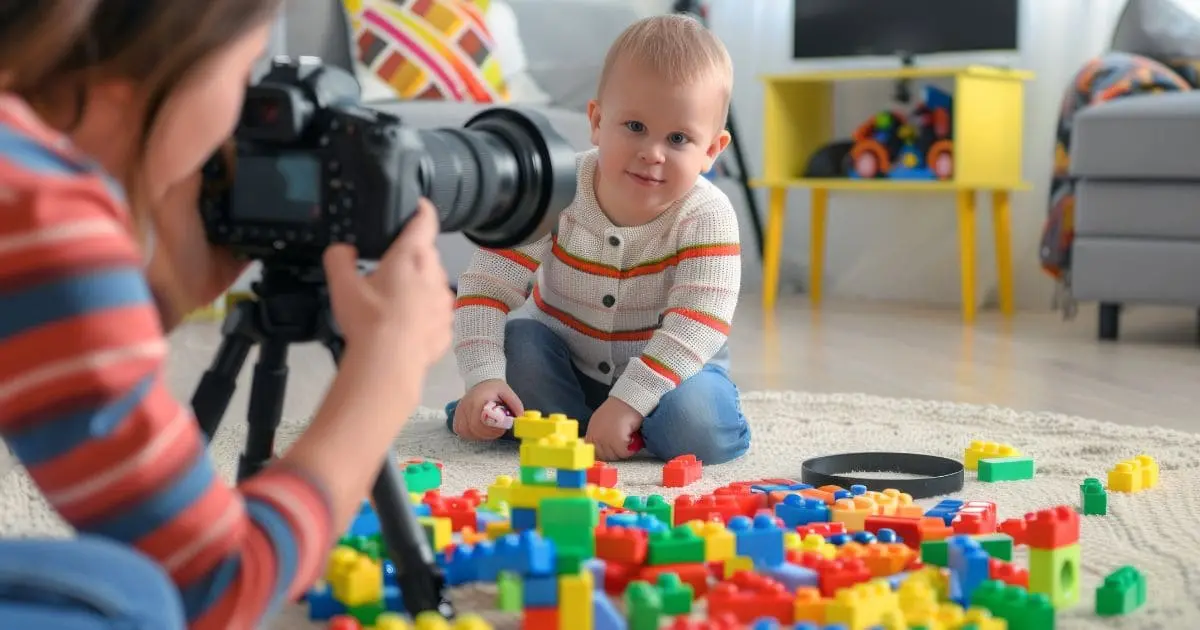
Baby Blocks Toys are one of the most useful and simple learning toys for young children. These blocks are specially made for small hands, so babies can easily hold, stack, and play with them. Baby blocks come in different colors, shapes, and sizes, which helps children learn while playing. They improve hand and eye coordination because babies use their hands to pick and place blocks on top of each other.
These toys also help in early learning. Babies start to recognize colors, shapes, and sizes while playing with blocks. Some blocks have letters, numbers, or pictures on them, which makes learning even more fun and interesting. Block play also improves a child’s thinking ability and problem-solving skills because they learn how to balance and build towers.
Another good thing about baby blocks is that they are safe and lightweight. Most baby blocks are made from soft plastic or wood, so they are safe for babies. Parents can play together with their children using blocks, which also creates a strong bond between parent and child.
Overall, baby block toys are a great combination of fun and learning for babies and toddlers.
Why Material Choice Matters More Than You Think
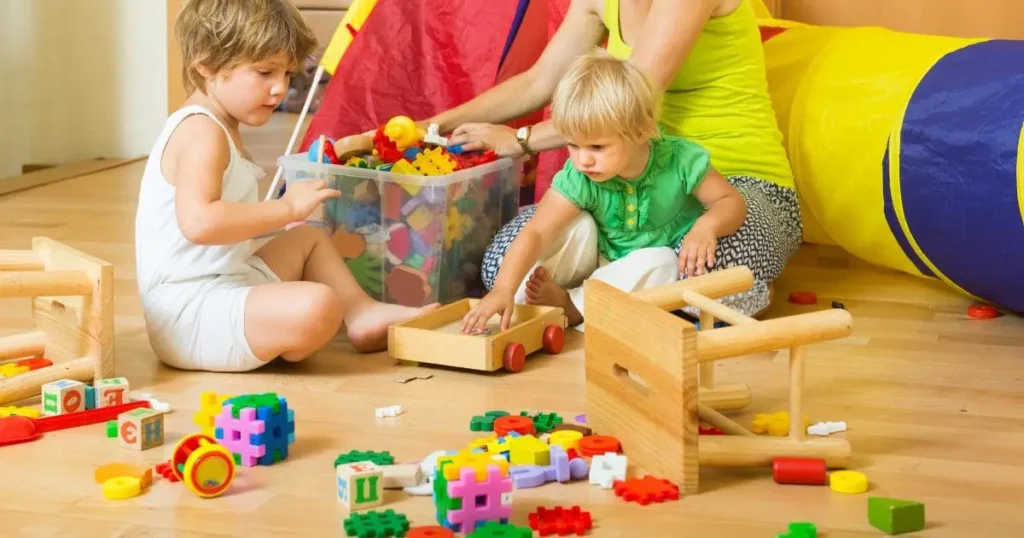
Baby Blocks Toys, Before diving into the specific materials themselves, it is worth pausing to understand why this conversation matters in the first place. Babies and toddlers explore the world through their mouths. If you have ever watched a ten-month-old pick up a block and immediately shove it past their lips, you know exactly what we mean. That behavior is not bad parenting — it is completely normal child development. Mouthing objects is how babies learn texture, temperature, hardness, and shape. It is a sensory experience that their brains are actively craving.
Also Read: What Are the Benefits of Magnetic Blocks for Kids Sahiwal
This means that whatever a block is made from will, at some point, end up in your child’s mouth. Paints, finishes, adhesives, dyes, and base materials all come into contact with your child’s saliva, and potentially get ingested in trace amounts. Baby Blocks Toys, Over weeks and months of regular play, those trace amounts can add up. This is why parents who take material safety seriously are not being overly cautious — they are being appropriately thoughtful.
Beyond safety, material also affects durability, sensory quality, weight, sound, and even how a child’s brain processes the experience of play. A wooden block feels different in small hands than a foam block. A fabric block behaves differently when dropped. These differences are not trivial — they shape what a child learns and how they interact with their environment.
Natural Wood: The Gold Standard for Good Reason
If you ask most pediatric occupational therapists or early childhood educators what material they recommend for baby blocks, wood comes up almost every time. There are very good reasons for this, and they go beyond nostalgia or aesthetics.
Also Read: How to Create a Busy Board for Kids at Home Sheikhupura
Baby Blocks Toys, Wood is a naturally dense, tactile material. When a baby picks up a wooden block, they are getting a genuine sensory experience — real weight in their hands, a smooth or slightly grainy texture depending on the finish, and a satisfying clunk when two blocks knock together. That sound and weight give the brain feedback that lighter, hollow plastic blocks simply cannot replicate. From a developmental standpoint, handling heavier objects helps build grip strength, hand-eye coordination, and an early understanding of cause and effect.
From a safety perspective, hardwoods like maple, beech, and basswood — the most commonly used species in quality toy manufacturing — are naturally resistant to bacteria when properly sealed. They do not harbor the same kind of microbial buildup that foam or fabric can if left damp. Good wooden blocks are also free of BPA, phthalates, and PVC, which are the chemicals most commonly flagged as concerns in plastic toys.
However, not all wooden blocks are equally safe. The finish matters enormously. Blocks coated with lead-based paints — which, while banned in many countries, still appear in products manufactured without rigorous quality oversight — represent a serious hazard. Even blocks with non-toxic paint can be problematic if the paint chips easily and presents a choking hazard. When choosing wooden blocks, look for water-based, non-toxic, food-safe finishes, or better yet, blocks that are left completely unfinished or finished only with natural beeswax or organic oils. The wood itself, when sanded properly and sealed safely, is typically the safest option available.
Also Read: What Are the Best Toys for 3 Year Old Boys Sialkot
One thing to keep in mind with wood is that it can split or crack if the blocks are low quality or if the wood is poorly dried before manufacturing. Splinters are a real concern with bargain-bin wooden toys. Investing in blocks from a reputable manufacturer — ideally one that specifies the wood species and certifies their finishes — goes a long way toward avoiding these issues.
Plastic: Convenient but Worth Scrutinizing Carefully
Baby Blocks Toys, Plastic baby blocks are everywhere. They are colorful, lightweight, easy to clean, and often come with letters, numbers, and pictures printed on the sides. For many families, they are the default choice — and there is nothing inherently wrong with that, provided you know what you are looking at.
The concern with plastic is not the material category as a whole but rather the specific type of plastic and how it was manufactured. Hard plastics used in reputable toys are typically made from polypropylene (PP) or high-density polyethylene (HDPE), both of which are considered food-safe and are free of the problematic chemicals associated with older or cheaper plastics. These are the same plastics used in food storage containers and baby bottles, which gives you a sense of the safety standard they are held to.
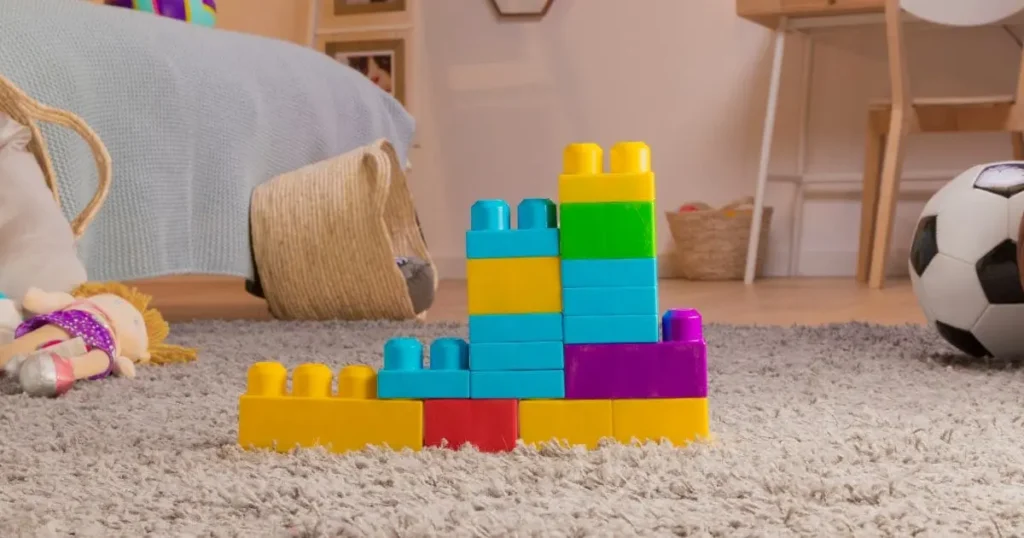
The plastics to be wary of are those that contain BPA (bisphenol-A) and phthalates. BPA is a chemical used to harden plastics that has been linked to hormonal disruption, and phthalates are plasticizers added to make PVC soft and flexible — both of which have raised legitimate health concerns in the scientific community. Baby Blocks Toys, Reputable toy manufacturers have largely phased these out, and toys sold in the US and EU must meet standards that restrict many of these substances. Still, it is worth checking labels and looking for blocks that explicitly state they are BPA-free, phthalate-free, and PVC-free if you are buying plastic.
Also Read: What Are the Best Toys for a 2-Year-Old Boy Multan
Plastic blocks also raise environmental concerns that many parents are increasingly thinking about. Most plastic toys are not biodegradable, they are difficult to recycle, and they can contribute to microplastic pollution. This is not a safety concern for your individual child in the short term, but it is a factor worth weighing if environmental responsibility is important to your family.
On the positive side, plastic blocks are incredibly easy to sanitize, which matters a great deal in the first year when babies are still building their immune systems and sharing toys with siblings or in daycare settings. A quick wipe with a damp cloth or a run through a dishwasher (for dishwasher-safe options) is typically all it takes to keep them clean.
Foam: Soft, Safe for Falls, but Not Without Trade-offs
Foam Baby Blocks Toys occupy an interesting niche in the baby toy market. They are almost universally marketed as the “safe” option for very young babies and early walkers, because they are soft enough that a block falling on a small hand or foot causes no harm, and they are too large and soft to present a serious choking hazard. For children under twelve months who are still developing their coordination and spending a lot of time on the floor, foam blocks can be a genuinely good choice.
Also Read: What Are the Benefits of Cloth Books for Babies Pakpattan
The most common materials used in foam blocks are EVA foam (ethylene-vinyl acetate) and polyurethane foam. EVA foam is the same material used in many yoga mats and shoe soles, and when manufactured responsibly, it is generally considered safe for children. Baby Blocks Toys, However, some studies have raised questions about formamide — a chemical sometimes used in the production of EVA foam — which can off-gas from the material and may be a concern at high levels.
In response to this, many European countries have set formamide limits for foam toys, and quality manufacturers have reformulated their products to comply. When buying foam blocks, looking for EN71 certification or similar safety marks is a good proxy for responsible manufacturing.
Polyurethane foam, while soft and durable, raises its own set of questions. Some polyurethane foams have been associated with the addition of flame retardants — chemicals added to slow combustion — that have their own health concerns. Baby Blocks Toys, Foam toys that pass rigorous safety testing without these chemical additives exist, but you need to look for them specifically.
Another honest concern with foam is durability. Unlike wood or hard plastic, foam compresses and eventually degrades with heavy use. Small pieces can break off, and while large foam blocks present no choking risk initially, deteriorating foam over time can create smaller fragments. Regularly inspecting foam blocks and replacing them when they show wear is a sensible practice.
What foam does well — it is light, silent, and gentle — makes it a great complement to other block materials rather than a replacement for them.
Also Read: How to Choose the Best Toys for Your 1-Year-Old in Lahore
Fabric and Soft Blocks: Gentle Giants for Youngest Babies
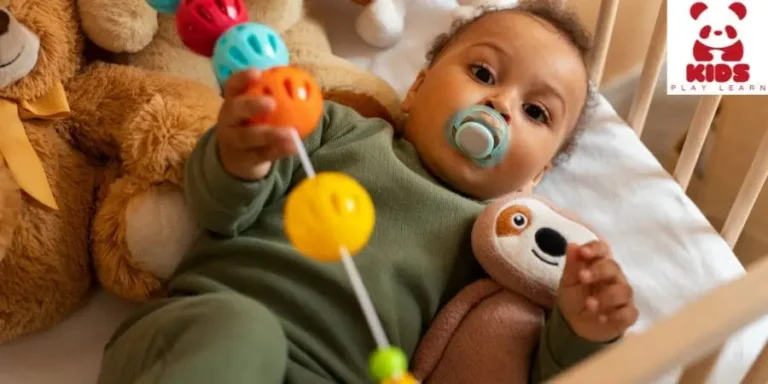
For newborns and babies in their first few months of life, soft fabric blocks are often the most age-appropriate option available. They can be grasped with small, uncoordinated hands. They make no noise when thrown (which is inevitable). They can be washed. They are safe to leave in a crib without supervision concerns in many cases. And they are light enough that a baby rolling over onto one presents no risk.
Fabric blocks are typically made from cotton, polyester fleece, or a blend of the two, with inner stuffing made from polyester fiberfill or occasionally organic cotton. Organic cotton fabric blocks have become popular among parents seeking to minimize synthetic chemical exposure, and for good reason — conventional cotton is one of the most pesticide-intensive crops in the world, and while washing removes much of that residue, organic alternatives offer peace of mind.
The construction quality of Baby Blocks Toys matters considerably. Seams that are not double-stitched or that fray easily can come apart and expose inner filling, which becomes a choking hazard. Buttons, beads, appliqués, and decorative elements that are not securely attached present the same risk. Simple, well-sewn fabric blocks without decorative attachments are generally the safest, even if they are less visually stimulating.
Dyes used on fabric blocks also deserve attention. Azo dyes, which are used in cheap fabric production, can release carcinogenic compounds and are restricted in many countries’ children’s product regulations. OEKO-TEX certification is the most well-known standard for textile safety and indicates that a fabric product has been tested for a range of harmful substances. Fabric blocks carrying this certification offer a higher degree of assurance than those without it.
One limitation of fabric blocks is that they offer very little in the way of sensory complexity as children get older. A six-month-old will find a soft block endlessly fascinating; a two-year-old will likely set it aside in favor of something with more structural possibility. They serve a specific developmental window extremely well, and that is perfectly fine.
Silicone: The Newcomer With a Growing Following
Over the past several years, food-grade silicone has made a significant entrance into the baby toy market, and baby blocks are no exception. Silicone has qualities that make it genuinely appealing for teething babies and very young infants — it is completely non-toxic, it is easy to sterilize (including by boiling or in a dishwasher), it does not harbor bacteria, and it has a soft, satisfying texture that many babies find soothing to chew on.
Baby Blocks Toys, Food-grade silicone, the type used in high-quality baby products, is made from silicon (the element), oxygen, carbon, and hydrogen. It is thermally stable, chemically inert, and does not leach harmful compounds even with extended contact with saliva. This makes it one of the safest materials available for products intended for mouthing.
The downside of silicone blocks is primarily a practical one: they are expensive relative to other options, and the selection available is still fairly limited compared to wood or plastic. They also lack the structural weight of wooden blocks and the visual richness of printed or painted designs, which means they occupy a narrower developmental niche.
Where silicone blocks genuinely shine is for parents who want a grab-and-mouth toy they can feel completely confident about from a chemical safety standpoint — particularly for babies who are teething and spending significant time chewing everything they can reach.
Recycled and Sustainable Materials: Thinking Beyond the Toy Itself
A growing segment of the baby toy market is made from recycled or sustainably sourced materials — things like recycled cardboard, reclaimed wood, plant-based plastics (sometimes called bioplastics), and even compressed organic fibers. For families who care about environmental sustainability alongside child safety, these options are worth knowing about.
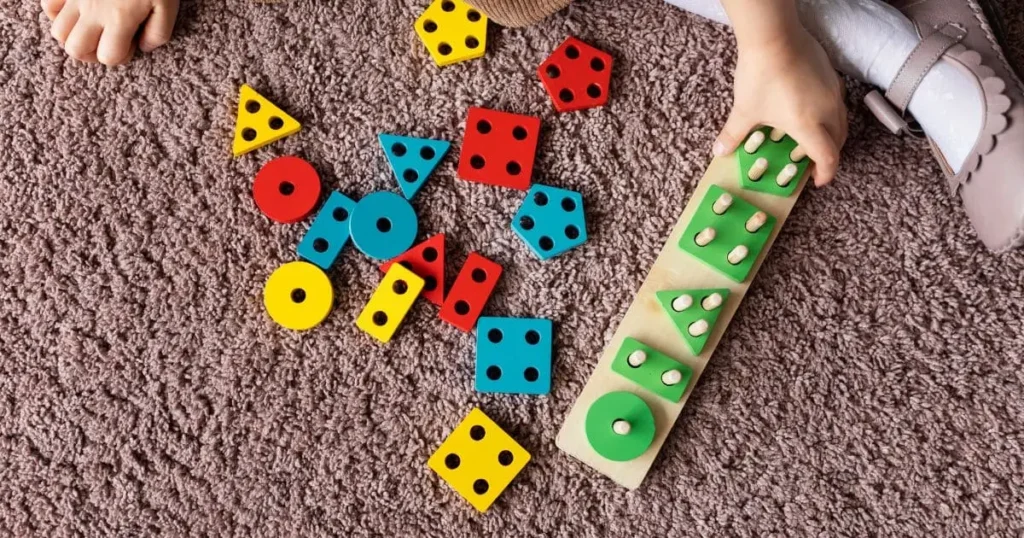
Baby Blocks Toys, Recycled cardboard blocks, which are often printed with bright images and come in sets designed for older toddlers, have a genuinely low environmental footprint and are surprisingly durable when properly constructed. They are not suitable for very young babies who might saturate them with saliva, but for a two or three-year-old stacking, sorting, and building, they work beautifully.
Plant-based or bioplastics made from cornstarch, sugarcane, or other renewable sources are beginning to appear in toy manufacturing, though they are not yet widespread. Their safety profiles are generally comparable to conventional food-safe plastics, with the added environmental benefit of lower fossil fuel dependency.
Reclaimed or FSC-certified wood blocks offer the natural material benefits of wood while adding an environmental accountability dimension. The Forest Stewardship Council (FSC) certification indicates that wood was harvested from forests managed with ecological responsibility, which is a meaningful distinction for those who want their purchasing choices to reflect broader values.
Age Considerations: Matching Material to Developmental Stage
No material is universally right for every age, and understanding the typical developmental arc helps you match the right block to the right stage.
For babies from birth to six months, soft fabric blocks and small silicone blocks designed for mouthing are the most appropriate. These children are not yet stacking — they are gripping, mouthing, and discovering. Large, lightweight, and washable should be the guiding criteria.
From six to twelve months, babies begin to bang objects together, pass them between hands, and drop them repeatedly (which is a game, not an accident). Wooden blocks with rounded edges and non-toxic finishes start to become appropriate during this window, alongside continued use of soft options. The satisfying sound and weight of wood begins to provide meaningful sensory feedback.
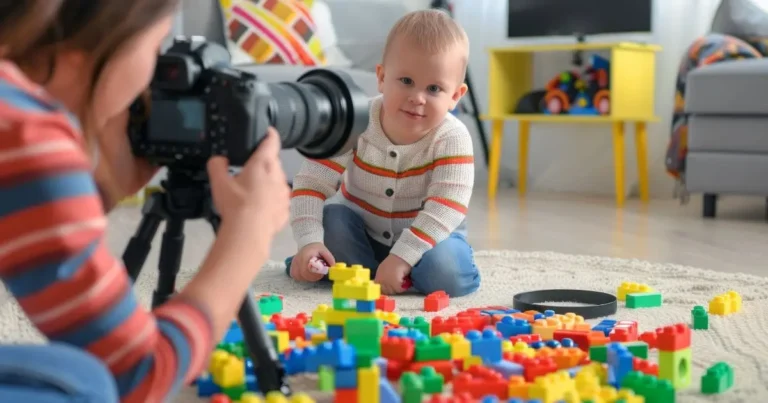
From twelve to twenty-four months, the stacking begins in earnest. This is the classic baby block stage — building towers and knocking them down, sorting by size, experimenting with balance. Wooden blocks truly come into their own here, and larger plastic blocks with connecting features (like the iconic large-brick style) become excellent tools for developing motor planning and spatial reasoning.
From two years onward, children are ready for more complex building, and the material matters somewhat less than the variety and size range of blocks available. Natural wood unit blocks in multiple shapes are particularly valuable at this age for fostering creative and architectural thinking.
Red Flags to Watch For When Shopping
Knowing what to look for on a label is one thing, but knowing what to watch out for is equally important. Here are a few warning signs worth keeping in mind when you are evaluating Baby Blocks Toys.
Unusually low prices from unfamiliar manufacturers often signal corners being cut on material quality and safety testing. This is not a universal rule — there are budget-friendly options from reputable brands — but it is worth investigating before purchasing.
Lack of certification markings is a meaningful absence. Reputable baby toys sold in the US should carry ASTM F963 compliance; in the EU, the CE marking is required. OEKO-TEX for fabric, FSC for wood, and BPA-free or food-grade silicone designations for those respective materials are additional quality signals.
Paint that chips easily on wooden or plastic blocks turns a safe object into a choking hazard. If paint chips off when you press your thumbnail against it, that block is not safe for a baby.
Strong chemical smells — particularly from plastic or foam blocks fresh out of packaging — suggest high levels of off-gassing from volatile compounds. Some off-gassing is normal and dissipates with airing out, but a very strong odor warrants more caution.
Final Thoughts
Choosing the right material for baby blocks is genuinely worth your attention — not because there is one perfect answer, but because the choice you make reflects what you know about your child’s stage of development, your family’s values around safety and sustainability, and how you want your child’s earliest play experiences to feel.
Natural wood remains the most consistently recommended material across safety professionals, educators, and parents who have used and loved wooden blocks for generations. It is tactile, durable, honest in its simplicity, and when sourced and finished responsibly, as safe as anything available. But foam, fabric, and silicone each fill genuine roles at different ages and for different purposes. Even plastic, when scrutinized and chosen carefully, has a place.
The best approach for most families is not rigid loyalty to a single material but rather a thoughtful mix that meets your child where they are developmentally — soft fabric and silicone for the earliest months, natural wood as the anchor of a growing collection, and supplemental materials as your child’s play evolves.
What matters most at the end of the day is not the perfect block — it is the play itself. The building, the knocking down, the stacking and sorting and discovering that your child does with simple blocks are among the most genuinely valuable things a toy can offer. Getting the material right just ensures that those experiences are as safe, rich, and enduring as they deserve to be.
FAQs
Are wooden baby blocks safe for teething?
Yes! Just make sure they have a non-toxic, food-safe finish like beeswax or water-based paint. Avoid blocks with chipping paint or sharp edges.
What’s the safest plastic for baby blocks?
Look for polypropylene or HDPE plastics labeled BPA-free and phthalate-free. Avoid anything with a strong chemical smell straight out of the box.
Can foam blocks break into small pieces?
Over time, yes. Always inspect foam blocks for wear and toss them once they start crumbling — small chunks can become a choking hazard.
When should I introduce wooden blocks?
Around 6 months is a good starting point. Before that, stick to soft fabric or silicone blocks that are gentler and easier for tiny hands to grip.
How do I clean baby blocks safely?
Wipe wooden blocks with a damp cloth, toss fabric ones in the wash, and rinse plastic or silicone blocks with warm soapy water. Skip harsh chemical sprays.

“Hi, I’m Turab Sheikh, the founder of Kids Play Learn. With 2+ years of experience in creating safe and educational toys, I’m passionate about helping children learn, play, and grow in a fun way every day, and I focus on providing toys that inspire creativity, curiosity, and joyful learning.”